Call us directly at +2347088649545

Latest Schengen Visa Work Permit Policies Effective from November 2025
Table of Contents
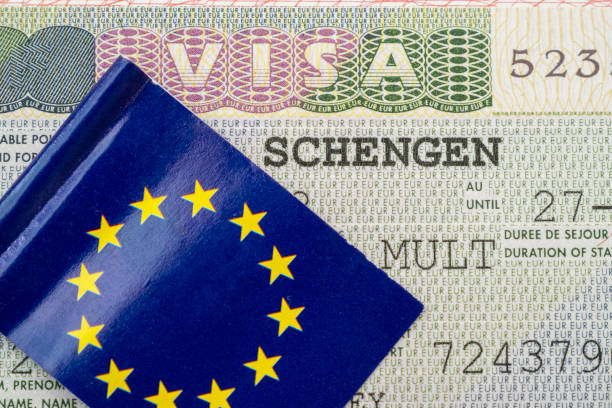
The Schengen Area, comprising 29 European countries, continues to attract professionals worldwide with its seamless border-free travel and robust job markets. Starting November 2025, several pivotal updates to Schengen visa and work permit policies take effect, enhancing security, digitizing processes, and tightening eligibility criteria. These changes, driven by the European Commission’s directives, impact short-stay visas, long-term work authorizations, and residency pathways, particularly for non-EU nationals seeking employment opportunities. This comprehensive guide breaks down the latest developments to Schengen visa and work permit policies, helping applicants navigate the evolving landscape effectively.
Key drivers include the rollout of advanced digital systems and responses to migration pressures, ensuring smoother yet stricter entry for workers. For Nigerian professionals and others eyeing Europe, understanding these shifts is crucial to avoid application pitfalls. Tizee Consult stays ahead by tracking these updates to support your relocation goals.
Key Schengen Visa Requirements and 2025 Policy Changes
November 2025 marks a milestone to Schengen visa policy with the full activation of the Entry/Exit System (EES), replacing traditional passport stamps with automated biometric registration at external borders. This system tracks stays for visa-exempt travelers from over 60 countries, flagging overstays beyond the 90-day limit in any 180-day period. Foreign visitors must self-register upon arrival, streamlining processes while bolstering security through facial scans and fingerprint data.
Complementing EES, the European Travel Information and Authorization System (ETIAS) mandates pre-travel online authorization for short business or work-related trips under 90 days. Valid for three years or until passport expiry, ETIAS costs €7 and processes applications within minutes for most, though high-risk cases face delays. These tools aim to screen 1.4 billion potential visitors annually, reducing irregular migration without halting legitimate work mobility.
Bulgaria and Romania’s full integration into Schengen by air and sea from January 2025 eliminates internal border checks, expanding the zone’s footprint. This facilitates multi-country job searches but requires applicants to specify primary work destinations for visa processing. Overall, these reforms prioritize efficiency, projecting faster border crossings once fully implemented by April 2026.
Updates on Work Permits and Residency Requirements
Schengen work permits fall into two categories: short-stay C-type visas for trips under 90 days and national D-type long-stay visas issued by the host country. No unified “Schengen work visa” exists; instead, approvals tie to specific employment offers, with extensions possible for up to one year initially. From November 2025, countries like France demand A2-level French proficiency for multi-year permits and B1 for decade-long residency, emphasizing integration.
Greece introduces a startup-focused Golden Visa pathway, allowing investors €250,000+ in innovative ventures for residency and work rights. Applicants must prove business viability, creating jobs locally to qualify. Sweden and France streamline employee permits via online portals, requiring job offers, qualifications matching labor market needs, and proof of no EU alternatives.
Malta enhances employment visa measures for stays over 90 days, mandating detailed sponsor documentation and faster processing for skilled roles. Czech Republic consulates, like in Abuja, enforce strict appointment systems for work visa bookings, prioritizing complete applications. These national variations underscore the need for country-specific strategies amid Schengen-wide harmonization.
Ready to secure your Schengen visa and work permit? Contact Tizee Consult today for expert guidance tailored to your career profile. Our team handles applications end-to-end, boosting approval chances; schedule a free consultation now!

Ready to Work Abroad? Start your journey to working abroad today!
Contact Tizee Consult for expert work permits and travel consulting tailored to your needs.
Click the button below;
Stricter Security Measures and Visa Suspensions
The EU Council adopted faster visa-free suspension rules in November 2025, enabling suspensions within 30 days if third countries fail on readmission or security cooperation. This targets irregular migration spikes, potentially revoking exemptions for nations with high overstay rates. Russian nationals face curtailed multiple-entry visas, limited to one-year validity unless exceptional circumstances apply, like prior lawful use of three visas.
Biometric enhancements via EES and ETIAS include real-time alerts for watchlisted individuals, impacting work travelers with prior refusals. Short-stay business visas now demand robust proof of purpose, such as contracts or invitations, with fees at €80 standard. Self-employed applicants must submit business licenses, bank statements, and tax returns for D-visas.
These measures align with broader immigration crackdowns, including UK’s ETA hikes to €11 for EU citizens from April 2025, indirectly affecting Schengen-UK commuters. Processing remains swift, three days for most ETAs, but denials rise for incomplete security data.
Practical Schengen Visa Application Tips for Success

Start by securing a job offer from a Schengen employer, who often initiates permit requests via national labor authorities. Gather documents for Schengen visa: passport valid six months beyond stay, photos, insurance, accommodation proof, and finances (€50+ daily). Apply three months early through VFS Global or embassies, booking slots online, e.g., Czech Abuja via email.
For D-visas, validate upon arrival within three months and apply for residence cards. Leverage ETIAS for short gigs; track stays via the EU app to comply with 90/180 rules. Language courses boost residency odds, aim for certified A2/B1 levels. Monitor portals like home-affairs.ec.europa.eu for real-time updates.
Common pitfalls: mismatched job skills or weak ties to home country. Professionals in IT, healthcare, or engineering fare best amid labor shortages. Post-approval, notify changes promptly to avoid revocations.
Country-Specific Work Permit Spotlights
France’s “Welcome to France” portal simplifies employee permits, requiring employer pre-approval and salary thresholds matching SMIC. Processing takes two months, granting one-year renewals tied to contracts.
Sweden targets skilled employees with fast-track permits for salaries over SEK 13,000 monthly, no labor market test for intra-company transfers. The self-employed need viable business plans.
Portugal and Malta emphasize investment visas, with Portugal’s D2 for entrepreneurs demanding €5,000+ capital. All demand health insurance and clean records.
Navigating Challenges and Future Outlook
Overstays trigger three-year bans; EES data persists for monitoring. Amid global talent hunts, Schengen visa policy prioritizes high-skill migrants, with quotas easing for shortage occupations. Expect EES full rollout by April 2026, minimizing queues.
As policies evolve, professional support ensures compliance. Brexit-era UK changes compound planning needs for dual-destination workers.
Partner with Tizee Consult for seamless Schengen work permit applications under the new November 2025 rules. As your trusted immigration experts, we offer personalized strategies, document reviews, and representation, book your session today and step confidently toward your European career!